 CONSULTING · TRAINING · COACHING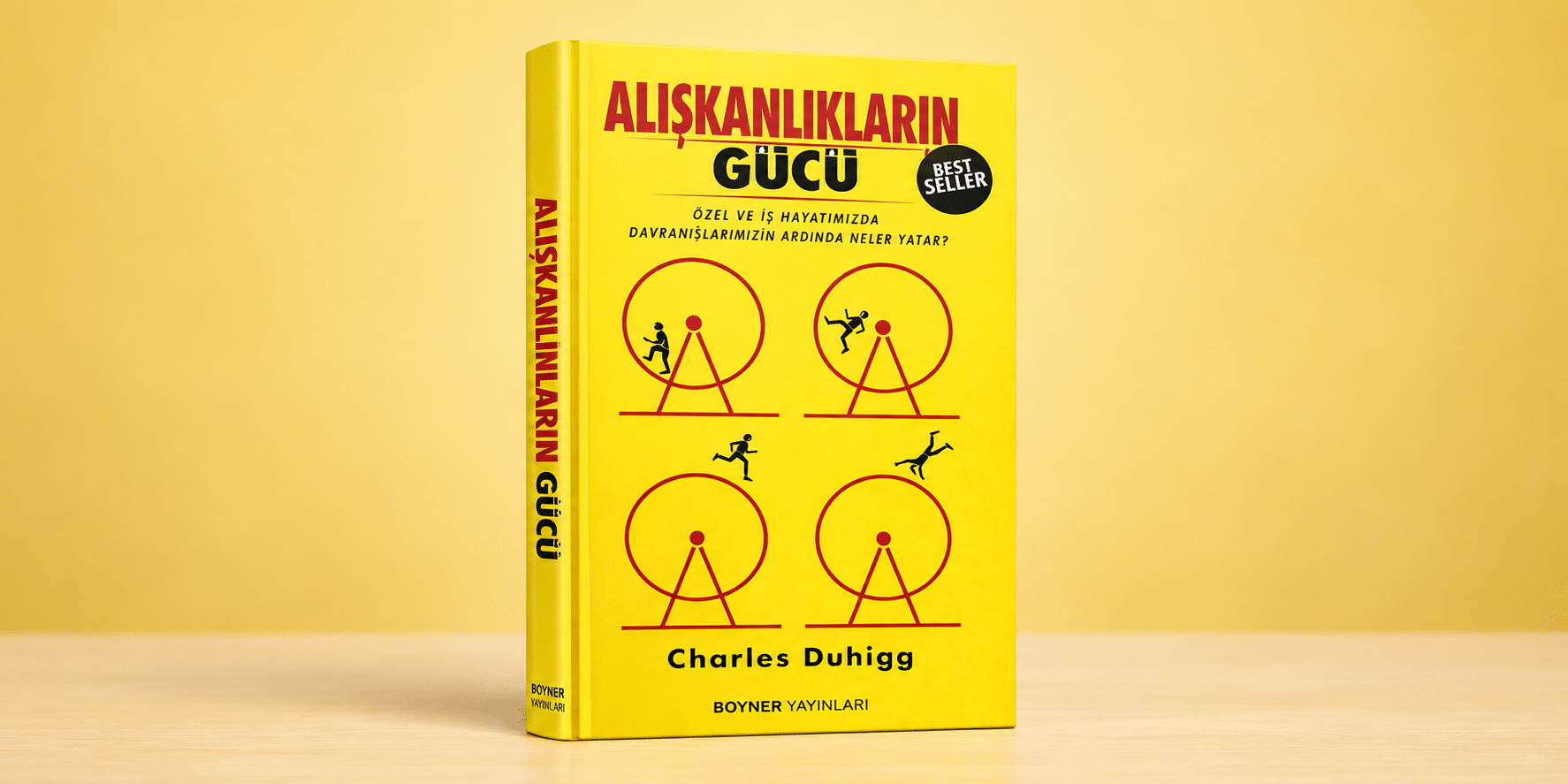
In Charles Duhigg’s The Power of Habit, one example of personal change concerns a woman who quits smoking and runs a marathon. The author uses this example to explore the relationship between habits and other behaviours. [1]
I find the book’s idea of a “keystone habit” useful when thinking about working life: some regular behaviours can pave the way for other changes. But we cannot say that one behaviour will automatically transform everyone’s life or every business.
The toolbox is full, but the way of working is unchanged
A factory’s toolbox may be full: 5S, Kanban, SMED, KPI boards and Andon systems… Yet if problems are hidden, actions are not followed up and old methods return, having the tools alone is not enough.
One starting point I value on the shop floor is addressing a deviation with the same clarity every day. What happened? What is its impact? Who will take the first step? When will we see the outcome? Asked regularly, these questions connect the board to daily behaviour.
Conditions that support a habit
Asking employees to behave differently is not enough. They also need time, authority, training and management support. If a person reporting a problem is punished, expecting more open communication from them is inconsistent.
Transformation can sometimes gain momentum from a small habit; to last, it must be considered alongside processes, resources and incentives. Which daily behaviour in your business could ensure that the tools you have introduced are actually used?