 CONSULTING · TRAINING · COACHING
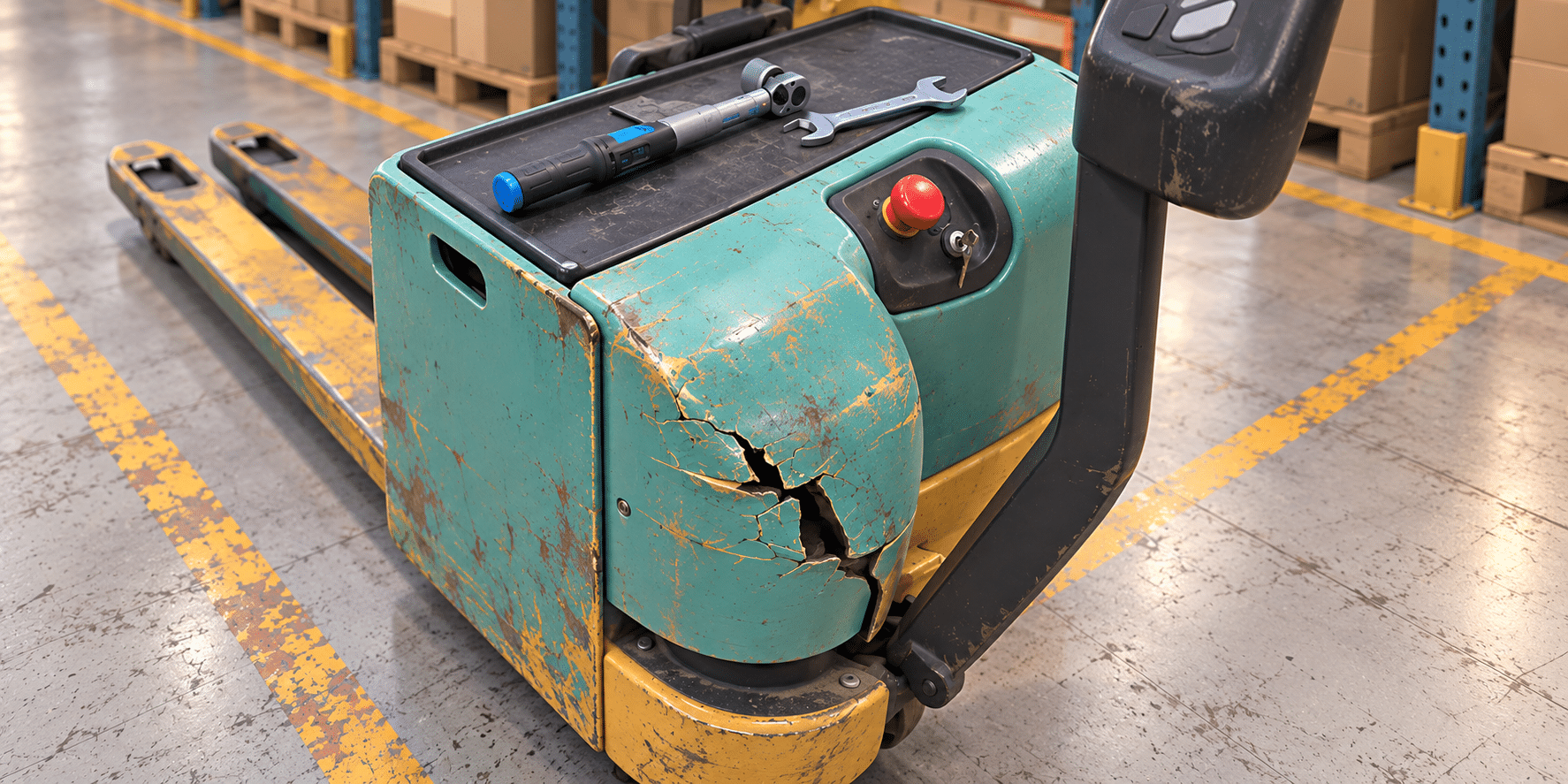
A pallet left on the floor, an unlabelled box, a machine leaking oil… After a while, these can start to look normal. For me, one important contribution of 5S is helping us recognise this normalisation.
The “broken window” analogy can help us think about ignoring small signs of disorder. But we should not treat it as a universal law proving that every minor irregularity must lead to a major loss.
5S is more than cleaning
5S involves sorting what is needed, arranging its location, turning cleaning into an opportunity for inspection and creating standards that sustain this order. It supports making the flow of work and abnormalities visible. [1]
If a box has no defined location, searching and use of the wrong material may increase. A pallet left in an aisle may affect safe passage. We should investigate these effects on site rather than focus only on making the area look attractive.
Wiping away an oil stain does not fix the leak
Safely containing the observed abnormality is the first step. To stop the oil dripping again, its source must be found and repaired by the authorised maintenance team. Cleaning does not replace a solution; it is a tool for seeing the problem.
When we correct a deviation, let us ask: why did it happen? How will we recognise a recurrence? Who will follow it up? A task closed without verification may soon produce the same scene again.
Discussing small signs
This analogy also makes me think about relationships. A broken promise or an unspoken hurt can erode trust over time. Not every relationship develops in the same way, but I value discussing problems respectfully before they accumulate.
Let us not ignore the first broken window. While repairing it, let us also try to understand how it was broken.