 CONSULTING · TRAINING · COACHING
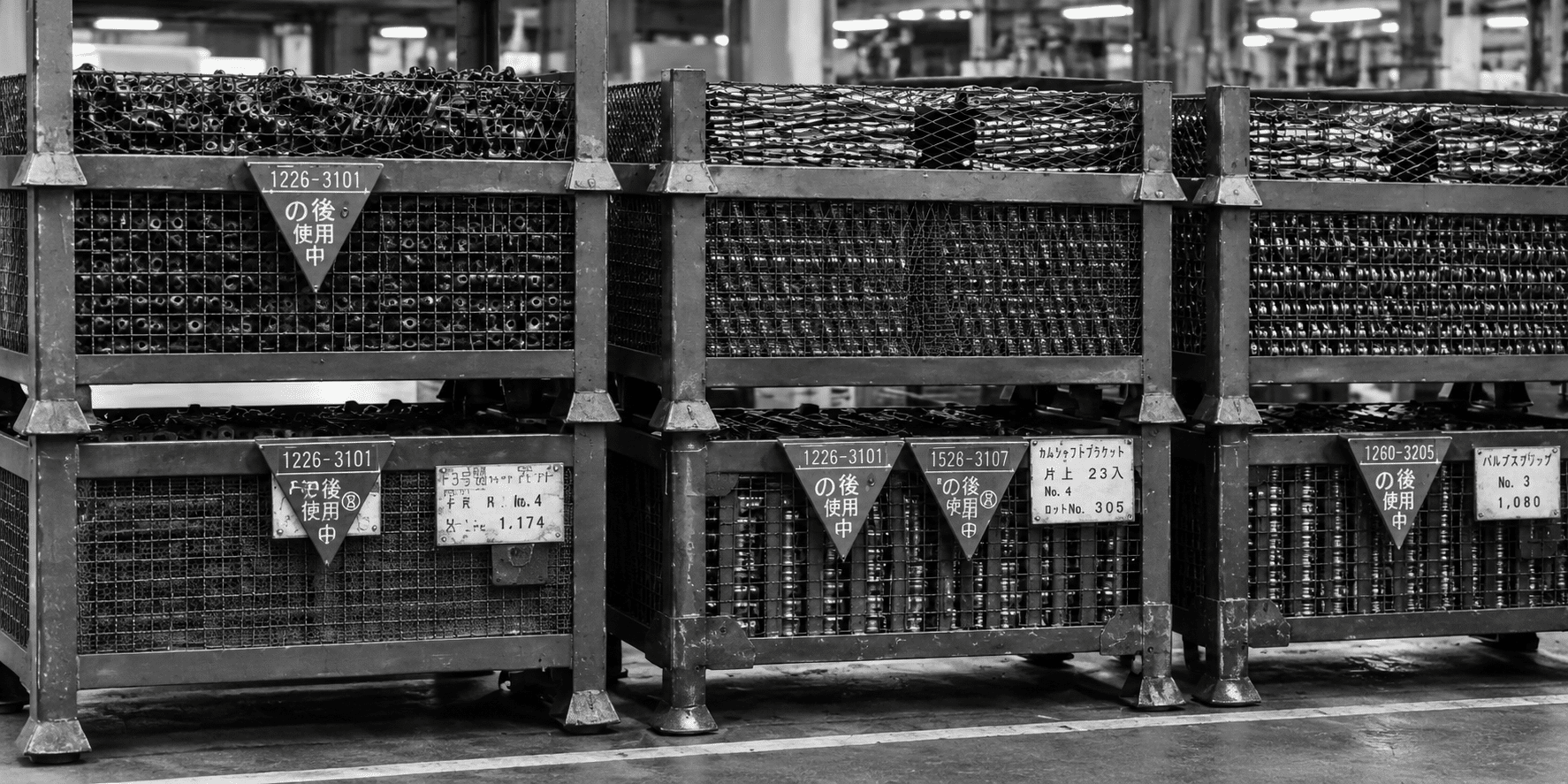
In a factory, I saw a substantial amount of inventory in front of the presses. I asked the engineer responsible:
— With this much inventory, why is the press still running?
— Surely a million-euro press should not stand idle?
— Do we need this part right now?
— No.
— Will it be used soon?
— I do not know.
— Then why are we producing it?
— Our machines never stop!
I thought for a moment, then asked:
— Do you have a car?
— Yes.
— Where is it now?
— In the car park.
— Why is it standing idle while you are working here? Lend it to someone so they can drive it. A car you paid so much for should not sit unused.
He laughed: “That makes no sense. I use it when I need it.”
A running machine does not always create value
The analogy has limits; a factory and a private car are different systems. But it makes this question visible: is buying a machine sufficient reason to keep producing when there is no need?
When we produce parts without demand, we turn material into inventory. We allocate space, move it, count it and search for it, taking on risks of damage, obsolescence and design changes. We cannot call all of this productivity merely because the machine is running.
A stopping decision also has conditions
Safe stopping, restart cost, technical process limits and near-term demand must be assessed together. I am not saying every machine can be stopped at any moment. But these conditions should not justify producing unlimited inventory either.
Equipment indicators such as OEE help us see losses; they do not determine customer needs or inventory targets on their own. If keeping the machine busy conflicts with the needs of the flow, we should review the management system.
A stopped machine is not always a loss. Sometimes the real loss is running a machine that should stop.