 CONSULTING · TRAINING · COACHING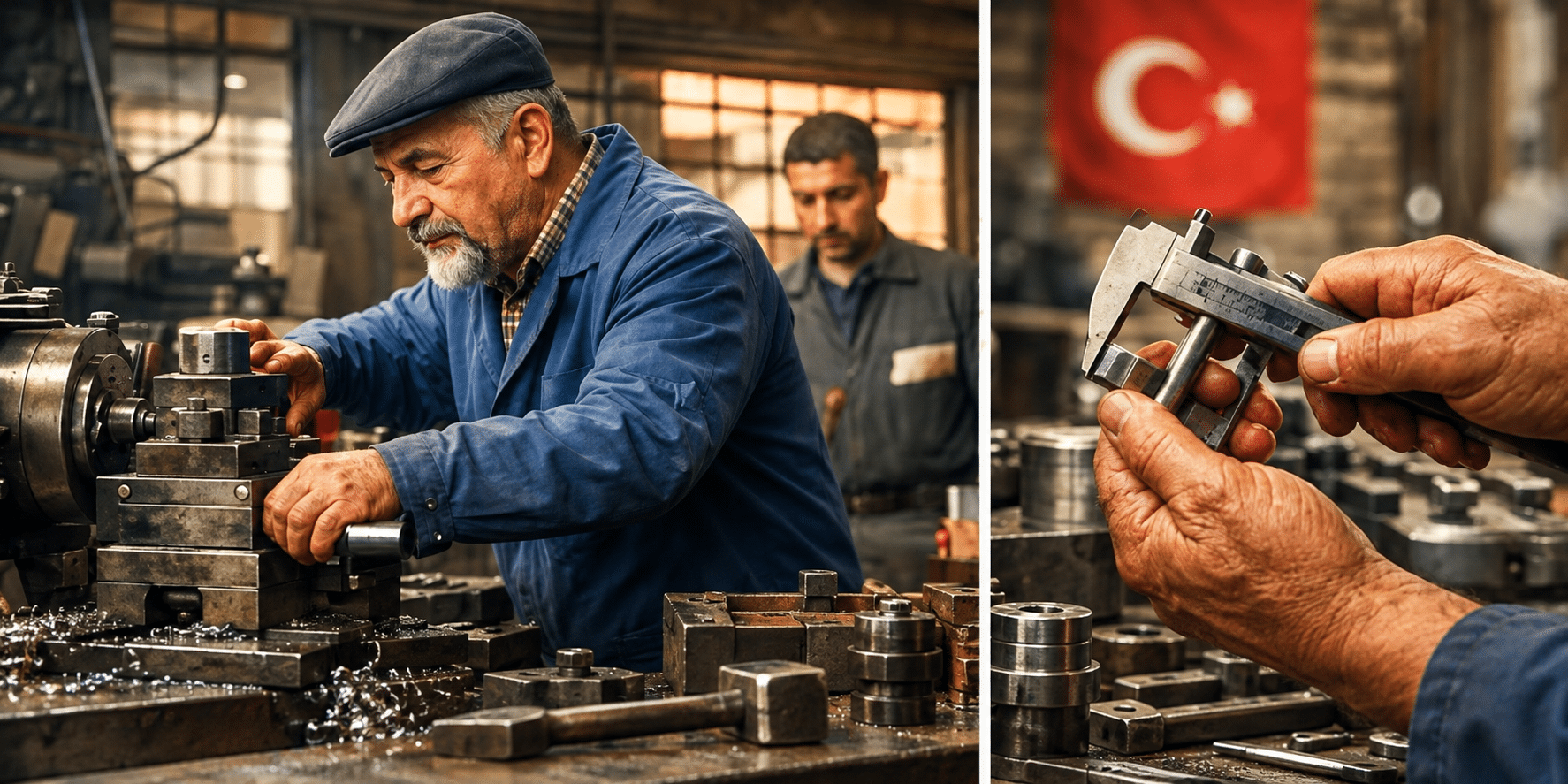
“Fikret the master knows that. Nobody can set up this machine like he can.” A familiar sentence in manufacturing. It contains valuable experience, but also a vulnerability the business needs to recognise.
The problem is not the presence of a skilled master. It is knowledge remaining with one person instead of becoming a method another person can learn safely. If work stops when the master is on leave, both the business and the master carry the burden of this dependency.
Standardised work makes experience visible
When we say, “Let us write an instruction,” an employee may hear it as distrust of their experience. If we put a sheet of paper in front of them without understanding the method they have developed over the years, we create that reaction ourselves.
A standard should make the best known method agreed under current conditions shareable. It is a reference for learning and improvement. Alongside the sequence of work, it should include critical points affecting quality and safety.
From “I’ll handle it” to “Let us learn together”
An experienced person’s quick intervention can sometimes save production. But if the same problem recurs, relying on that intervention alone is not enough. We need to examine together what happened, why it recurs and how someone else could recognise it.
Sharing knowledge does not have to diminish the master’s value. It can make their contribution as a trainer and improvement leader visible. Management also needs to allocate time for knowledge sharing and recognise the effort involved.
How can we begin on the shop floor?
- Observe a critical task with the master; listen to their method and the reasons behind it.
- Prepare standardised work together with the people doing the job.
- Check whether another employee can safely learn the task using this method.
- Test an improvement idea; if it works, update the standard together.
Toyota’s account of its production system also values people’s skills, experience and ability to think for themselves. We should incorporate craftsmanship into the development of the system. [1]
I have heard the phrase “the master’s whims.” My preference is to create a system in which skilled workers can share what they know and see their effort recognised.