 CONSULTING · TRAINING · COACHING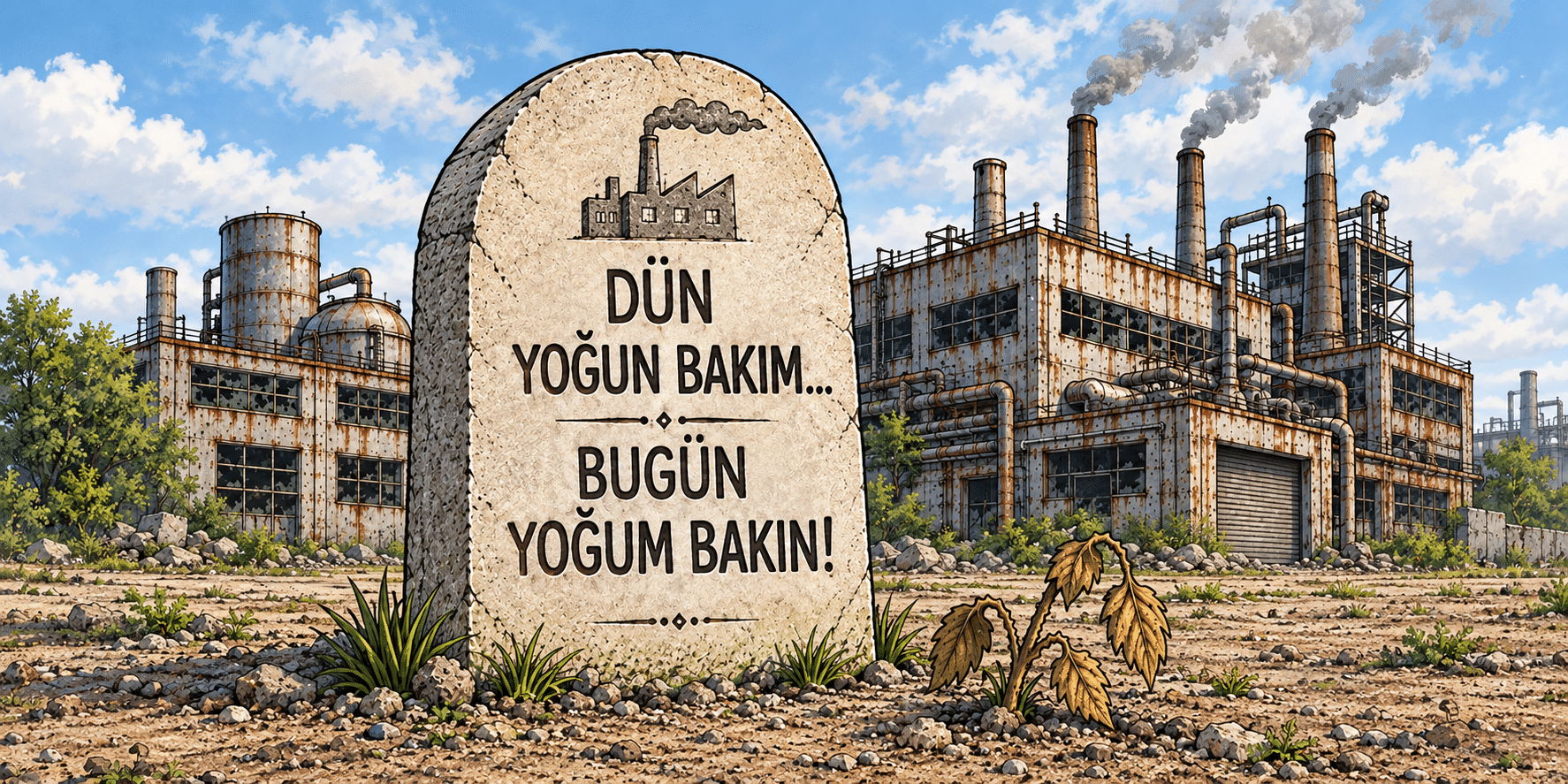
On the shop floor, we see manufacturing businesses in Türkiye under cost pressure. As wage, material, energy and financing costs change, competing solely on cheap labour is becoming increasingly difficult.
When comparing the past with the present, we must use the same definition of cost. Net pay, gross pay and the employer’s total cost are different; their dollar equivalents also depend on the exchange rate on the chosen date. My central question is: how can we increase the value the business creates?
1. Improve productivity
Before asking people to work faster, we should reduce waiting, unnecessary movement, defects and rework. SMED, line balancing, standardised work and material flow should be addressed together.
Let us make a simple calculation. Suppose total cost is 100 units, of which labour accounts for 25. If labour productivity rises by 30%, with the same output, unchanged hourly wages and all other costs constant, the required labour falls to 25 / 1.30 = 19.23 units. The new total is 94.23, and labour’s share of that total is approximately 20.4%.
This calculation rests on assumptions. If actual wage expenditure has not fallen, the result is released capacity rather than immediate cash savings. We must plan separately how to use that capacity. Meeting the same demand with less inventory can also reduce financing needs.
2. Match automation and digitalisation to the right problem
Automation can offer significant opportunities in welding, painting, packaging, palletising and material handling. But we cannot assume that the same solution or payback period applies to every business.
We should assess investment in terms of demand, capacity, quality, maintenance, safety and total cost. Buying a fast machine does not automatically solve the material shortages that keep it waiting.
3. Develop products and solutions that customers value
Instead of competing on price alone, we should examine which customer needs we can meet better. Special cables, integrated systems or automated production solutions are possible examples. Without assuming that a more complex product is automatically more profitable, we must understand the difference customers consider worth paying for.
4. Improve indirect work too
The ratio of white-collar to blue-collar employees does not, by itself, reveal waste. We need to examine the nature of the work. Unnecessary reports, duplicate data entry, lengthy approvals and meetings that deliver no results are important subjects for lean office improvement.
5. Reduce energy and material losses
Scrap, waste, excess inventory and waiting can sometimes cause greater losses than labour. For example, reducing a scrap rate from 7% to 4% is a decrease of 3 percentage points. Its financial impact should be calculated using the quantity and value of the material and the portion that can be recovered.
6. Grow scale in line with real demand
If there is demand and sales, spreading the same fixed costs over more saleable products can reduce unit cost. However, producing and storing 150,000 units for demand of 100,000 may tie cash up in the warehouse rather than strengthen competitiveness.
In my view, successful manufacturers of the future will be companies that can select the technology they need, develop their people, measure their losses and reliably deliver value to customers. For Türkiye to become a strong manufacturing base, lean transformation must become part of daily management.
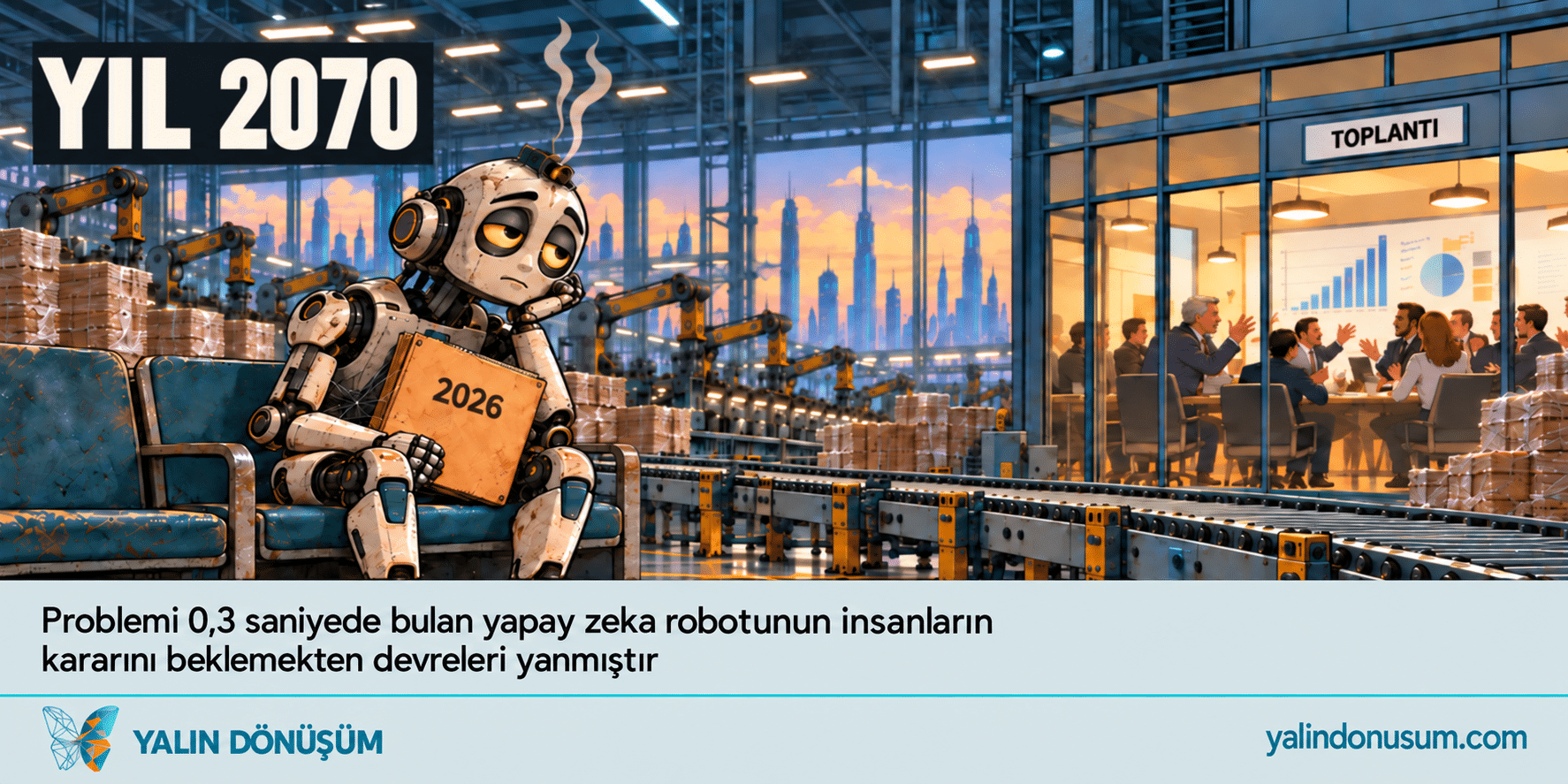
Image note: adapted from a cartoon by Yiğit Özgür with the support of artificial intelligence.